
Frankman Guides · Rust and Undercarriage Care
Does Road Salt Ruin Cars in South Dakota? How to Check a Used Truck for Rust
The short answer
Road salt and brine don't ruin a vehicle overnight, but they speed up rust on frames, brake lines and rocker panels.
SDDOT treats highways with rock salt, salt brine, magnesium chloride and salt-sand mixes, so any truck that has lived here deserves a look underneath.
Light surface rust is normal. Flaking scale, soft spots and holes are the warning signs.
Washing the underside through winter is the cheapest protection, and undercoating only helps when it's applied over clean, sound metal.
Key facts
- Rock salt is SDDOT's primary snow-fighting chemical. The department also makes its own salt brine and uses magnesium chloride brine.
- The Sioux Falls area SDDOT office pre-wets its straight salt with brine it makes itself (KELOLAND, 2022).
- AAA warns that liquid de-icers stay liquid longer and are more likely to coat parts underneath, and estimated U.S. drivers paid about $3 billion a year in rust repairs caused by de-icing.
- In NHTSA's probe of brake-line rust on 1999-2003 GM trucks and SUVs, most reported failures were on vehicles more than 10 years old.
- To be FMC Certified, a vehicle must be 7 model years old or newer with 125,000 miles or fewer.
What goes on South Dakota roads in winter
SDDOT's winter maintenance plan describes four main tools. Rock salt is the primary chemical. Salt brine, about 23 percent salt in water, is sprayed before storms so ice can't bond to the pavement, and it pre-wets salt so the salt sticks instead of bouncing off. Magnesium chloride brine stays liquid at colder temperatures. Salt and sand mixes go down on icy, snow-packed roads and when it's too cold for chemicals to work fast. A truck that commutes on I-29 or I-90 all winter spends a lot of time in that spray.
Why brine is hard on the underside
Dry salt bounces off. Brine is made to stick. AAA warns that liquid de-icers "remain in liquid form longer and are more likely to coat components," and SDDOT's plan notes that salt and magnesium chloride brines draw moisture from the air. Great for the pavement, bad for your truck. Tire spray carries brine into frame rails, seams, brake lines and the backs of rocker panels, and it stays there.
Gravel adds its own damage. Stones chip paint and coatings down to bare steel, and rust starts at the chip. AAA's advice is to touch up chips that expose bare metal. On a gravel-road truck, check the rear wheel wells, the rockers behind the front tires and the front of the bed.
Surface rust, scale and rot: what you're looking at
Almost every truck that has seen a South Dakota winter has some orange on the frame. That alone isn't a reason to walk away. What matters is how deep it goes.
| Stage | What it looks like | What it means |
|---|---|---|
| Surface rust | A light orange or brown film over smooth, solid metal. | Normal on bare steel. Clean it and protect it. |
| Scale | Rust that lifts off in flakes or layers, with pitting underneath. | The metal is getting thinner. Get it inspected and priced before you buy. |
| Rot | Holes, soft spots, or metal that gives under a screwdriver. | A safety problem on a frame, brake line or fuel line. Repair it or walk away. |
Surface rust on a frame doesn't scare me. Scale that comes off in sheets, or a screwdriver that goes through, does. That's when we're talking about repair, not cleanup.
Joey Bergjord, Body Shop and Restoration Manager
How to check a used truck or SUV for rust
Bring a flashlight, a small magnet and a screwdriver, and ask before you poke at anything. A lift makes this much easier.
- Frame rails. Walk both rails end to end. Look hardest where dirt and slush collect: above the rear axle, around the spring hangers and where crossmembers meet the rails. Tap suspect spots with the screwdriver handle. Solid metal rings; rotten metal thuds or flakes.
- Rockers and cab corners. On pickups, the rockers under the doors and the cab corners behind them trap moisture. Bubbled paint usually means rust working from the inside out. If a magnet won't stick, there may be body filler.
- Brake lines. Follow the thin metal lines back to the rear axle. Heavy scale, swelling or flaking needs a mechanic's opinion. NHTSA linked brake-line failures on older trucks to the lines' protective coating wearing out in road-salt conditions.
- Fuel lines and tank straps. A rusted-through strap or a damp, fuel-smelling line is a stop sign.
- Bed supports. Check the crossmembers under the bed and the front of the bed by the cab. Lift the bed mat, because water sits under it.
- The rest of the back end. Wheel wells, bumper brackets, the hitch and the spare-tire carrier.
- Fresh undercoating. New black spray on an older truck may be good protection, or it may be covering scale. Ask when it went on and what it went over.
Buying from a private seller or another lot? Our service center offers pre-purchase inspections at (605) 250-7474. Shopping with us? Ask your salesperson about the underside of any vehicle. It's a fair question.
Undercarriage care for a South Dakota winter
Wash the underside
It's the cheapest protection there is. After its brake-line investigation, NHTSA urged owners in cold-weather states to have undercarriages washed several times during and after winter. AAA says many drive-through washes offer an underbody rinse. Wash after a stretch of brined roads, on a day warm enough that water won't freeze in the door seals, and give it a thorough cleaning in spring.
Undercoating: the honest pros and cons
| Option | Pros | Cons |
|---|---|---|
| Factory protection only | Modern vehicles come with factory corrosion protection. Consumer Reports calls dealer undercoating unnecessary on new cars. | It still wears with age, chips and salt, so keep washing. |
| Rubberized or asphalt coating | Durable, and it can quiet the cabin. | Needs careful prep. If it goes on poorly or cracks later, it can trap moisture against the metal. |
| Oil or wax spray | Wax is inexpensive. Oil sprays suit vehicles that already have some rust. | Has to be redone: oil about every year, wax every year or two. |
No coating fixes rust that's already there. If the vehicle is still under a factory corrosion warranty, check the warranty terms before adding a coating.
Dry ice undercarriage cleaning
Our dry ice blasting fires small pellets of frozen CO2 with compressed air. They knock off road salt, rust, old undercoating and grime, then turn straight to gas, so there's no water, no chemicals and no blasting media left behind. It won't scratch or warp metal, rubber, plastic or wiring. It's how you see what's really going on underneath. Anyone can book it. Call (605) 250-7474 or see dry ice blasting. It strips old undercoating too, so if you want to keep a coating, say so when you book.
Dry ice shows you exactly what you have under there. If we take a frame down to bare metal, plan what goes back on it before the next winter.
Hunter Willadsen, Dry Ice / Cryogenic Cleaning
FMC Certified vehicles and rust repair
Every vehicle we sell is inspected, and most qualify for FMC Certified, which adds a 3-month/3,000-mile powertrain limited warranty at no charge. Because a vehicle must be 7 model years old or newer to qualify, it has been through fewer winters than an older truck. The warranty covers breakdowns of the powertrain parts it lists. It isn't a rust or body warranty. See what's covered on the FMC Certified page.
When rust has gone past cleanup, our body shop and restoration team handle frame and structural repair, sheet metal and floor pans, and paint and refinishing. Call the body shop at (605) 371-1092 for a free estimate, or see the body shop and restoration pages.
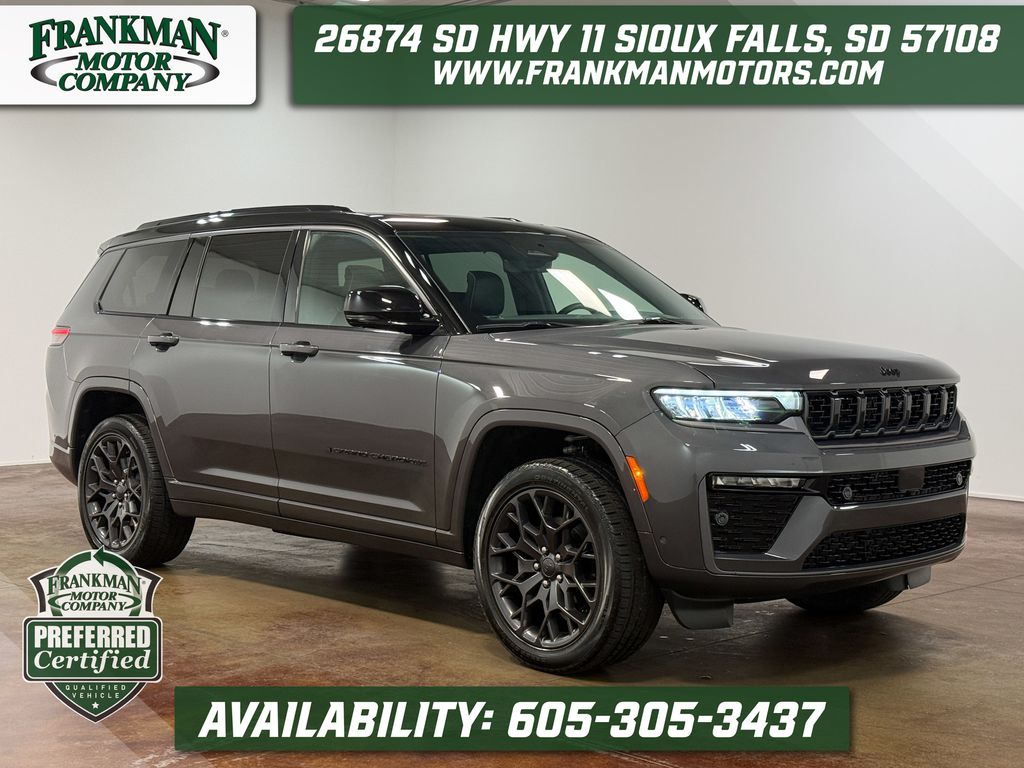
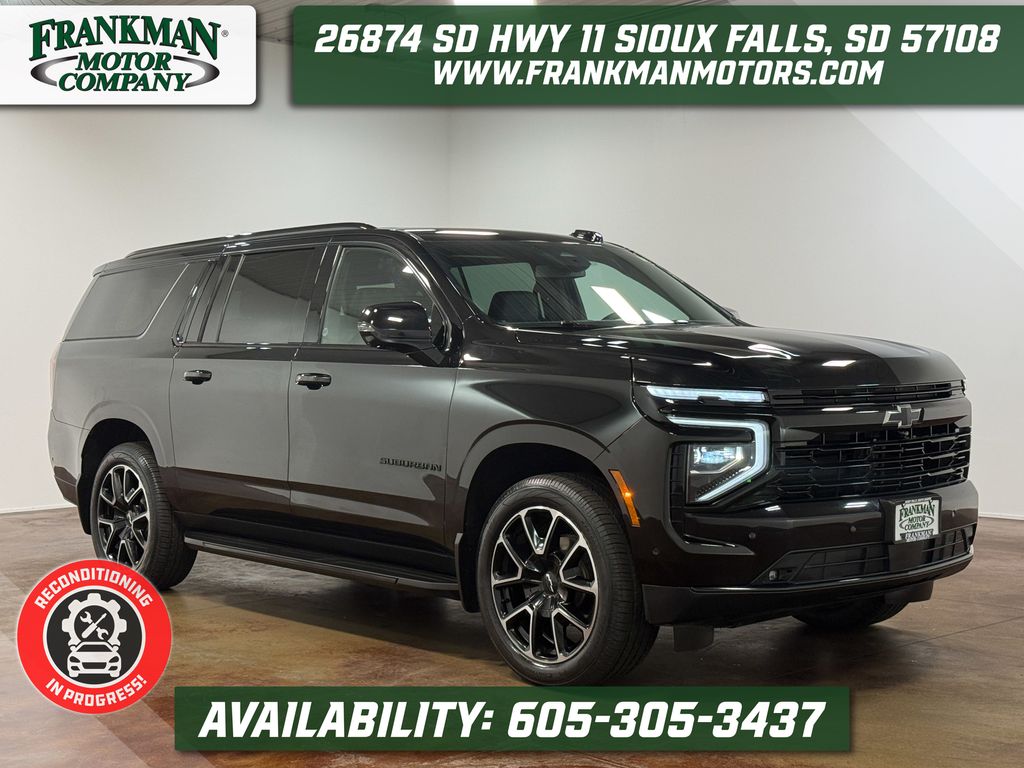
FMC Certified vehicles in stock now
163 vehicles in stock at Frankman Motor Company as of November 12, 2026 (showing the newest 24).





4WD trucks in stock now
43 4WD trucks in stock at Frankman Motor Company as of November 12, 2026 (showing the newest 12).

 2026 Jeep Gladiator Mojave$43,990


Next steps
Questions shoppers ask
Does road salt ruin cars in South Dakota?
Not overnight, but salt and brine speed up rust on frames, brake lines and rocker panels, especially as a vehicle ages. Washing the underside during and after winter slows it down.
Is brine worse for my truck than rock salt?
AAA warns that liquid de-icers stay liquid longer and are more likely to coat parts underneath. That's why washing the underside matters so much in a brine winter.
How much frame rust is too much on a used truck?
Light surface rust is normal. Flaking scale, pitting, soft spots or holes on the frame, brake lines or fuel lines call for a professional inspection before you buy.
Is undercoating worth it?
Modern vehicles come with factory corrosion protection, and Consumer Reports calls dealer undercoating unnecessary on new cars. If you add a coating, prep matters, because a cracked coating can trap moisture against the metal.
Can dry ice blasting clean my undercarriage?
Yes. Our dry ice blasting removes road salt, rust, old undercoating and grime without water or chemicals. Call (605) 250-7474 or see dry ice blasting.
Does the FMC Certified warranty cover rust?
No. It covers breakdowns of the powertrain parts it lists, and the contract excludes rust and body damage. See the FMC Certified page for details.