
Frankman Guides · Winter driving
How Do I Get My Car Ready for a South Dakota Winter? A Checklist From Our Service Techs
The short answer
Before the first hard freeze, test the battery, check the antifreeze and make sure the block heater and its cord work.
Put on tires with real tread, or winter tires, and fill up with winter washer fluid.
Keep a winter kit in the car and check SD511 before every winter trip.
If a blizzard strands you, stay with your vehicle.
Key facts
- AAA says a car battery loses about 35 percent of its strength at 32 degrees F and about 60 percent at 0 degrees F.
- Consumer Reports says to start shopping for tires at 4/32 inch of tread. At 2/32 inch, a tire is worn out.
- If you're stranded, the National Weather Service says to stay in the vehicle and run the motor about 10 minutes each hour, with a window cracked open.
- SDDOT posts road conditions and closures at sd511.org, and you can also dial 511.
- Our service department installs block heaters and mounts winter tires. Book online 24/7.
The checklist
| Item | What to check | Why it matters here |
|---|---|---|
| Battery | A load test, clean terminals, battery age | Cold cuts battery power just as the engine needs more of it to start. |
| Block heater | Heater works, cord not cracked or corroded | Easier starts on below-zero mornings. |
| Antifreeze | Freeze protection tested, level correct | Weak coolant can freeze and leave you without heat. |
| Wipers and washer fluid | Fresh blades, winter-rated fluid, a spare jug | Salt spray and slush coat the windshield fast. |
| Tires | Tread depth, pressure, winter tires | Tires do the stopping and steering on snow and ice. |
| Lights | Every bulb working, lenses clean | Short days and blowing snow. |
| Emergency kit | Packed and in the vehicle | Help may be slow to reach a rural road in a storm. |
Battery: test it before the cold does
AAA's figures explain why batteries quit on the first cold morning. A battery loses about 35 percent of its strength at 32 degrees F and about 60 percent at 0 degrees F, and the engine can need up to twice the current to start. AAA puts the average battery life at three to five years, so a battery in that range deserves a test before winter. Our Quick Lane does battery testing and replacement.
Do the winter check before the first real cold snap, not after. A battery that's borderline in October usually won't start the truck at 20 below.
Scott Kennedy, Service Manager
Block heater: plug it in, and check the cord
Your owner's manual says when the maker recommends using the block heater. If your vehicle doesn't have one, our service department installs them.
Road salt is hard on cords. In a 2018 recall, Ford reported that salt corrosion in the block heater cable connector on certain 2015-2019 F-150 and 2017-2019 Super Duty trucks could cause a short while plugged in. The warning signs it listed apply to any vehicle:
- the heater stops working
- a household breaker or GFCI outlet trips when you plug in
- buzzing or sizzling at the plug
- smoke or sparks
If you notice any of these, unplug it and have it checked. Use a heavy-duty, outdoor-rated extension cord, and run your VIN at nhtsa.gov/recalls to see if any recall is open.
Plug it in when it's going below zero, and look at the cord when you do. A cracked cord or a green, crusty plug is something we'd rather fix in the shop than have you find at six in the morning.
Scott Kennedy, Service Manager
Antifreeze, wipers and washer fluid
Coolant only protects against freezing if the mix is right. A quick test tells you how cold it's good for, and topping off with plain water in winter weakens it. Swap streaky wiper blades, and replace summer washer fluid with a winter fluid rated for below-zero temperatures; summer fluid can freeze in the lines or on the glass. Salt spray uses a lot of fluid, so keep a spare jug in the vehicle.
Tires: tread, pressure and winter tires
Two coins tell you most of what you need to know. Consumer Reports explains both:
- Penny test. Put a penny in a tread groove with Lincoln's head pointing down. If you can see the top of his head, the tread is at 2/32 inch, and the tire is worn out.
- Quarter test. Do the same with a quarter. If the top of Washington's head is just visible, you have about 4/32 inch. That's when CR says to start shopping, and snow is where worn tires suffer most: CR found half-worn tires lost about 14 percent of their snow traction.
Cold air also lowers tire pressure. Check it monthly when the tires are cold, and fill to the number on the sticker in the driver's door jamb, not the number on the tire.
In our view, winter tires are the biggest traction upgrade most cars can get. Our service department mounts them. For how tires compare with AWD and 4WD, see our AWD vs. 4WD guide.
The rural emergency kit
Ready.gov and the National Weather Service recommend keeping these in the vehicle all winter:
- Blankets and warm clothes
- Bottled water and non-perishable snacks
- A flashlight
- Jumper cables
- Sand for traction
- A fully charged phone and a car charger
- A bright-colored cloth, preferably red, to tie to your antenna or door if you're stuck
Ready.gov also says to keep a full tank of gas. We'd add an ice scraper, a small shovel, and hats, gloves and boots for everyone who rides along.
Before you go: SD511 and road closures
Check SD511 before any winter trip on I-90, I-29 or a state highway. SDDOT posts conditions and closures there and at 511 by phone. The SD511 site and app also offer free text and email alerts for the routes you drive.
Take closures seriously. In 2022, state officials said ignoring an interstate closure can bring a $232 fine, a civil penalty of up to $1,000 and the cost of your rescue, up to $10,000. Tell someone your route and when you expect to arrive.
If a blizzard strands you: stay with the car
The National Weather Service says to stay in the vehicle. Walking off in blowing snow and cold can quickly leave you disoriented. Its guidance for drivers who get stuck:
- Run the motor about 10 minutes each hour for heat.
- Crack a window while the motor runs to avoid carbon monoxide.
- Clear snow from the exhaust pipe.
- Turn on the dome light at night when the engine is running.
- Tie a bright cloth to the antenna or door. After the snow stops, raise the hood.
Book a winter check
Our service center can test the battery, check coolant and wipers, look over the block heater cord and mount winter tires in one visit. Book online 24/7 at schedule service, or call service at (605) 250-7474, Monday through Friday, 8:00 AM to 6:00 PM. Loaner vans and a free shuttle keep your day moving.
AWD and 4WD vehicles in stock now
162 AWD or 4WD vehicles in stock at Frankman Motor Company as of November 12, 2026 (showing the newest 12).

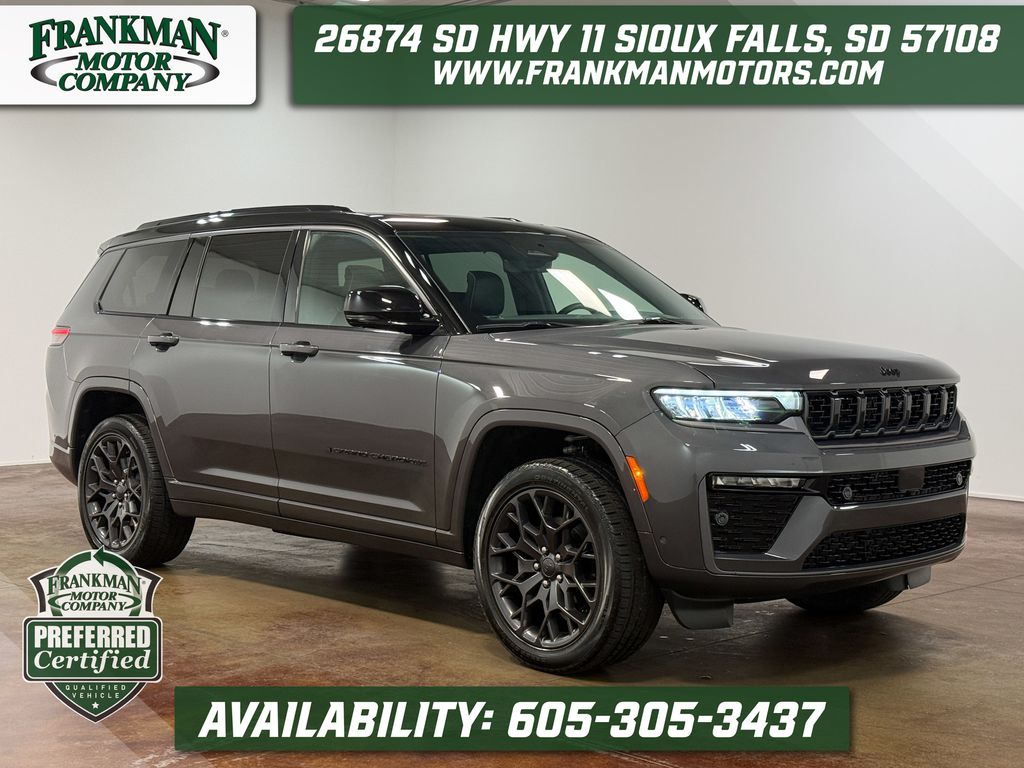


 2026 Jeep Gladiator Mojave$43,990




Next steps
Questions shoppers ask
When should I get my car ready for winter in South Dakota?
Before the first hard freeze. A battery or coolant problem is easier to fix on a mild fall day than on the first below-zero morning.
Do I need a block heater in Sioux Falls?
It isn't required, but on below-zero mornings it makes starting easier on the engine and the battery. Our service department installs block heaters.
What should I keep in my car during a South Dakota winter?
Blankets, warm clothes, water, snacks, a flashlight, jumper cables, sand, a charged phone with a charger and a bright cloth to signal for help. Add an ice scraper and a small shovel, and keep the tank full.
Should I stay with my car in a blizzard?
Yes. The National Weather Service says to stay in the vehicle, run the motor about 10 minutes each hour with a window cracked, and keep the exhaust pipe clear of snow.
How do I check road conditions in South Dakota?
Use SD511 at sd511.org, the SD511 app or dial 511. SDDOT posts conditions and closures there.
How much tire tread do I need for winter?
Consumer Reports says to start shopping at 4/32 inch. If the top of Washington's head shows when you put a quarter head-down in the tread, you're there.
Can I book a winter check online?
Yes. Book any time at schedule service, or call service at (605) 250-7474.