
Frankman Guides · Winter driving
AWD, 4WD or FWD: What Do You Actually Need for a South Dakota Winter?
The short answer
Most Sioux Falls drivers do fine with any drive type, as long as it wears good winter tires.
AWD and 4WD help you get moving in snow, but they do not help you stop or steer on ice.
If you live on gravel, drive unplowed rural roads or push through drifts, 4WD with good ground clearance earns its keep.
Spend on tires first and drive type second.
Key facts
- In a 2015 Consumer Reports winter test, all-wheel drive did not help braking. A front-drive Toyota Camry and an AWD Honda CR-V, both on winter tires, each stopped from 60 mph in about 300 feet.
- Transport Canada says all-season and summer tires begin to lose traction below 7 degrees C, about 45 degrees F.
- South Dakota allows tires with metal studs from October 1 through April 30 (SDCL 32-19-3).
- Ford says its locked 4H mode is not intended for use on dry pavement. Check your own owner's manual for how your 4WD should be used.
- Our service department mounts winter tires. You can book a time online 24/7.
The four drive types in plain words
| Drive type | How it works | Best fit in South Dakota | Watch out for |
|---|---|---|---|
| FWD (front-wheel drive) | The engine powers the front wheels only. | Plowed city streets and highways, on winter tires. | Deep snow and steep, unplowed driveways. |
| RWD (rear-wheel drive) | The engine powers the rear wheels only. Common on sports cars and some 2WD pickups. | Dry roads. Workable in winter on four winter tires and a gentle right foot. | The hardest type to get moving on snow and ice. |
| AWD (all-wheel drive) | Works on its own. The system sends power to all four wheels when it senses slip, or all the time on some models. | Everyday town and highway driving when conditions change by the hour. | No low range, and often less ground clearance than a truck. |
| 4WD (four-wheel drive) | Usually driver-selected through a transfer case, with a 4H mode and often a 4L low range. Some trucks add an automatic 4A mode. | Gravel, drifts, field roads, farm work and towing. | Locked 4H on dry pavement can bind the drivetrain and wear tires. |
The short version: AWD is automatic and built for traction on the road, while traditional 4WD engages when you select 4H or 4L. Many newer trucks and SUVs blur the line with an automatic 4WD mode, so read the owner's manual for the exact vehicle you're looking at.
Five South Dakota situations, and what actually helps
Unplowed side streets and your own driveway
After an overnight snow, the hard part is getting rolling from a stop, often uphill or through the ridge the plow left at the end of the driveway. This is where AWD and 4WD shine. A front-drive car on good winter tires usually gets out too. On worn all-seasons, it may not.
Ground blizzards on I-90 and I-29
The National Weather Service office in Aberdeen describes a ground blizzard as strong wind blowing snow that is already on the ground. Visibility drops near the road surface, and it can happen under sunny skies. The problem is seeing, not traction, and no drive type fixes that. When SDDOT closes the interstate, don't hunt for a way around it: in December 2022, SDDOT said many vehicles got stuck and stranded on state highways trying to avoid interstate closures. Our winter checklist covers SD511 and what to do if you get stuck.
Washboard and loose gravel
On gravel, every drive type can slide. AWD or 4WD helps on loose starts and hills, but speed and tires decide whether you stay on the road. Slow down before the curve, not in it, and give yourself extra room to stop.
Minimum-maintenance roads
South Dakota counties and townships can label rural roads as minimum maintenance. State law requires signs telling drivers they travel those roads at their own risk (SDCL 31-12-47 and 31-13-1.2). Don't count on them being cleared after a storm. This is where 4WD, low range and ground clearance matter most, and even then, if you don't know the road, wait it out.
Parking-lot glare ice
On glazed ice, AWD gives you nothing when it's time to stop. Every vehicle brakes with all four wheels, so the tires do the work. Consumer Reports found AWD didn't aid braking, and it rates winter tires better at stopping on icy surfaces.
AWD gets you going. Tires get you stopped. If a budget forces the choice, I'd rather see someone in a front-wheel-drive car on good winter tires than in an AWD car on worn-out all-seasons.
Scott Kennedy, Service Manager
Why tires matter more than drive type
In the Consumer Reports test, AWD helped vehicles accelerate on snow but did not aid braking or certain cornering. Some AWD vehicles on all-season tires struggled to hold their line in corners. CR concluded that winter tires matter more than AWD in many situations, and it recommends four winter tires for whatever you drive.
Cold matters as much as snow. Transport Canada says all-season and summer tires start losing traction below about 45 degrees F. So cold, dry mornings count too, not just the days it snows.
What to look for when you shop:
- The three-peak mountain snowflake symbol. It means the tire passed a standard snow traction test. An M+S marking alone has no industry test behind it.
- Enough tread. Consumer Reports says to start shopping at 4/32 inch, and its tests found half-worn tires lost about 14 percent of their snow traction. Our winter checklist shows the quarter test.
- Four, not two. Consumer Reports recommends a full set of four winter tires.
- Studs, if you want them. Studded tires are legal in South Dakota from October 1 through April 30.
Our service center mounts winter tires, sells tires from major brands and aligns them on our own rack. If you keep a second set of wheels for winter, the swap each fall goes quicker. Book a time online or call service at (605) 250-7474.
Ground clearance: the drift problem
Drive type can't help once the vehicle is sitting on the snow. When a drift is deeper than the lowest point under the vehicle, the tires lose their bite and you're high-centered. That's where a 4WD truck or a truck-based SUV beats a low crossover, whatever the badge on the back says.
Ground clearance is listed in the factory specs. Compare it before you buy if you live on a gravel road or an acreage, or anywhere the wind drifts the road shut. Lift kits and bigger tires add clearance, but a lift or tires larger than the factory size take a vehicle out of FMC Certified warranty coverage.
So which should you buy?
- You commute on plowed Sioux Falls streets: FWD or AWD, on winter tires. AWD is a nice extra, not a must.
- You live outside town on gravel or an acreage: AWD or 4WD with good ground clearance and winter-rated tires.
- You farm, ranch, tow or drive field roads: a 4WD truck or SUV with low range. See our towing guide.
- You're on a tight budget: a front-drive car plus a set of winter tires is often the best winter money you can spend.
When someone asks me if they need 4WD, I ask where they live and what roads they drive in January. The answer is different for a downtown commuter than for someone ten miles out on gravel.
Scott Kennedy, Service Manager
Most of our inventory is AWD or 4WD. Every vehicle we sell is inspected, and most also qualify for FMC Certified, our 3-month/3,000-mile powertrain warranty. The lists below update on their own as vehicles come and go.
AWD and 4WD vehicles under $25,000
35 AWD or 4WD vehicles under $25,000 in stock at Frankman Motor Company as of November 12, 2026 (showing the newest 24).


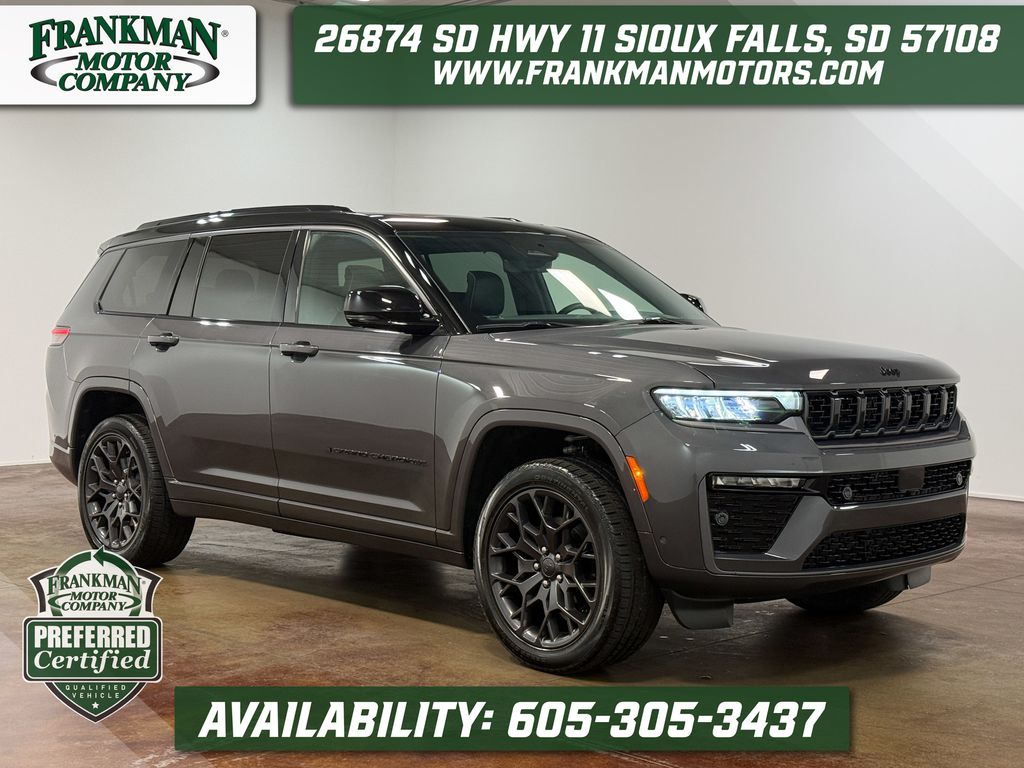
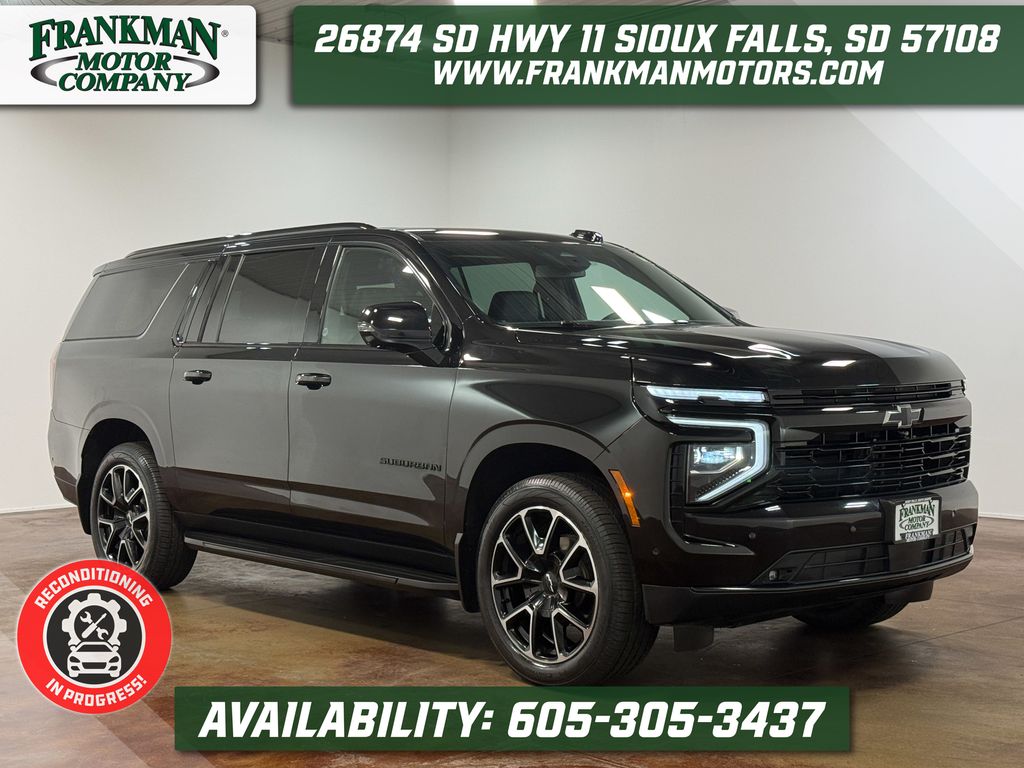
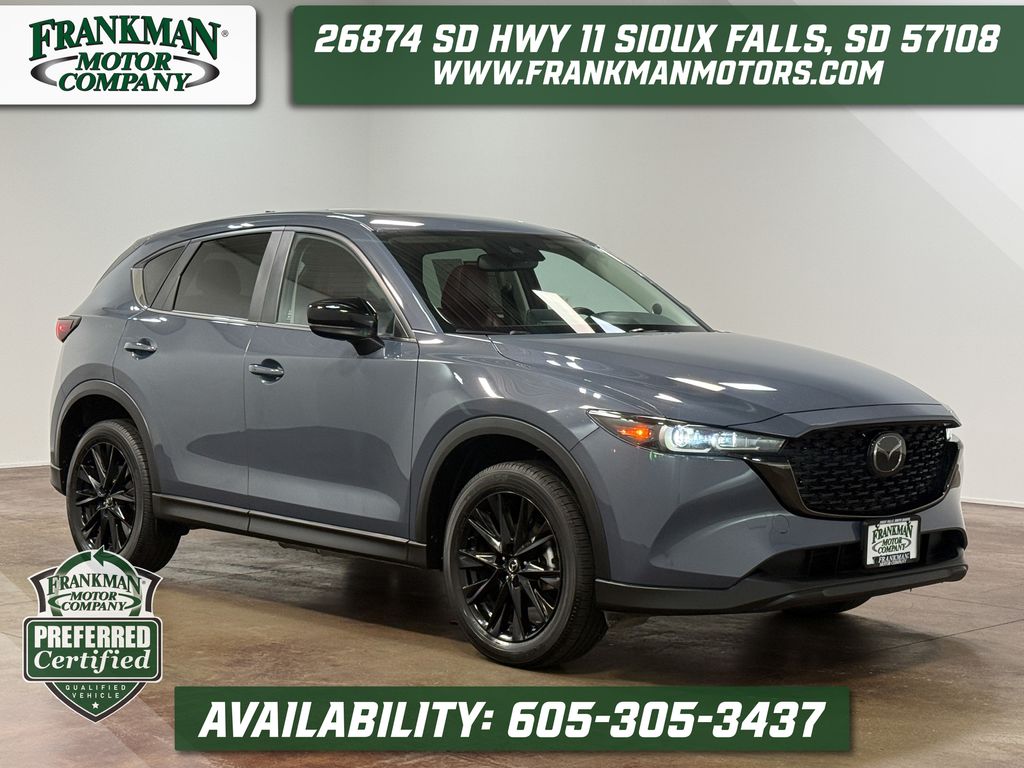
AWD and 4WD SUVs in stock now
112 AWD or 4WD SUVs in stock at Frankman Motor Company as of November 12, 2026 (showing the newest 24).






Front-wheel-drive cars under $25,000 (add winter tires)
10 FWD vehicles under $25,000 in stock at Frankman Motor Company as of November 12, 2026.


Next steps
Questions shoppers ask
Do I need AWD to live in Sioux Falls?
No. Plowed city streets are manageable with front-wheel drive and good winter tires. AWD makes snowy starts easier and is worth it if you drive rural roads or can't wait for the plow.
What is the difference between AWD and 4WD?
AWD runs on its own and sends power to all four wheels as needed, mainly for traction on the road. 4WD is usually selected by the driver, often adds a low range for deep snow and off-road work, and is common on trucks and towing vehicles.
Is front-wheel drive with snow tires as good as AWD?
For stopping and turning, often yes, because tires matter more than drive type there. Consumer Reports found a front-drive sedan and an AWD SUV on winter tires stopped in about the same distance. AWD still wins at getting moving from a stop.
Can I leave my truck in 4WD all winter?
Not in locked 4H on dry or bare pavement. Ford, for example, says 4H is for snow, sand or mud and is not intended for dry pavement. If your truck has an automatic 4A mode, your owner's manual will say whether it is meant for roads that switch between snow and bare pavement.
Are studded tires legal in South Dakota?
Yes, from October 1 through April 30, under SDCL 32-19-3. Tires with retractable studs can stay on year-round, but the studs may not be extended from May 1 through September 30.
Does Frankman mount winter tires?
Yes. Our service center mounts winter tires and also sells and aligns tires. Book online or call service at (605) 250-7474.