
Frankman Guides · Classics
Classic Cars for Sale in South Dakota: A Restoration Shop's Buying Checklist
The short answer
Frankman Motor Company in Sioux Falls sells classic cars and runs its own restoration department, so we look at classics the way a restorer does.
Before you buy any classic, check for rust and body filler, find out exactly which numbers match, and make sure the paperwork matches the car.
Test the wiring, cooling system and brakes before you agree on a price.
Over a South Dakota winter, store it dry, with stabilized fuel, a battery maintainer and the critters sealed out.
Key facts
- Frankman Motor Company is family-owned and has been in Sioux Falls since 1988.
- Our restoration department does frame-off restorations, numbers-matching factory-correct rebuilds and resto-mods. Built For More is our custom restomod and classic truck build program.
- We ship anywhere in the lower 48 states. Enclosed transport, which adds protection for classic and high-value vehicles, is one of the options Dustin Frankman arranges.
- Flying in to see a car? We pick up buyers at Sioux Falls Regional Airport (FSD).
- Hagerty's storage advice: fill the tank, ideally with non-ethanol fuel, add a stabilizer and run the engine briefly so the treated fuel reaches the whole system.
Why a restoration shop's checklist
We started as a classic car dealership and grew into a full restoration shop because customers kept asking us to build the cars they bought. Joey's team takes cars down to bare metal, so they know where problems hide. Use this checklist on any classic, wherever you buy it.
1. Rust and body filler: bring a magnet
Rust is the most expensive thing to find after you buy. Check the places where water and dirt get trapped: lower fenders and wheel arches, rocker panels, the bottoms of the doors, the floor pans, the trunk floor, and the frame or subframe.
Then run a small, weak magnet over every steel panel. Filler isn't magnetic, so if the magnet slides off or barely holds, there's filler under the paint. A little is normal on an old car. A lot on the lower panels usually means rust repair. (The test won't work on fiberglass bodies, like a classic Corvette.) Bubbled paint, uneven gaps and overspray on rubber trim also point to repairs.
Bring a magnet and a flashlight. Paint can hide a lot, but it can't make a magnet stick to filler.
Joey Bergjord, Body Shop and Restoration Manager
2. Frame and underside
Get under the car, or ask to see it on a lift. Look for cracks, kinks and fresh welds on the frame, rust-through at the body mounts and crossmembers, and floor pans patched from below. The doors, hood and trunk should open, close and line up. If they don't, the body or frame may be out of shape. Our rust check guide walks through how to tell surface rust from scale and rot.
3. Numbers matching: what it does and doesn't mean
"Numbers matching" means a car still has its original major components, usually the engine and sometimes the transmission and rear axle. Stamped numbers, casting numbers and date codes tie those parts to the car. Where the factory stamped the VIN, or part of it, on the engine, it should match the car's VIN and data tags. The dates should line up too: the engine was assembled before the car was built, and its parts were cast before that.
There's no single definition. It varies by manufacturer and era, and some transmissions and axles were never marked to a specific car. Ask the seller exactly which numbers match and how they know. Matching cars are usually worth more because they're rarer, but a non-matching driver can still be a great car, and it's the usual starting point for a resto-mod.
Numbers matching matters on the cars where collectors pay for it. On a driver or a resto-mod, I care more about the metal than the stamps.
Joey Bergjord, Body Shop and Restoration Manager
4. Paperwork and history
- Check that the VIN on the title matches the VIN on the car. On old cars, they differ more often than you'd expect.
- Ask for surviving build documents, receipts and service records, and ask about long gaps in mileage or time off the road.
- If the car was restored, ask who did the work and for photos of it taken apart. Bare metal tells you more than a shiny finish.
5. Electrical, cooling and brakes
- Electrical. Try every light, gauge and switch, plus the wipers and heater fan. Look under the dash for melted insulation, taped splices and loose wires. Electrical and trim parts can be costly to replace.
- Cooling. With the engine warm, watch the temperature gauge at idle and in slow traffic, and look for leaks at the radiator, hoses and water pump.
- Brakes. Many older cars have drum brakes. On the test drive, check for pulling, grabbing, or a soft or sinking pedal, and look at the hoses for cracks.
- Engine. Listen for knocking or tapping, watch the oil pressure, and feel for play in the steering.
Old cars rarely drive like new ones, so bring someone who knows classics on the test drive. Buying elsewhere? Our service center offers pre-purchase inspections and classic car mechanical service at (605) 250-7474.
6. Parts availability
Before you fall for a rare car, find out what parts cost and how long they take. For factory-correct work, our restoration team sources NOS (new old stock) parts where they exist and reproductions only where they don't, and hunting down one original part can take months. Ask a restorer about your exact model before you commit.
Winter storage in South Dakota
A South Dakota winter means months parked for most classics, and you don't want one on brined roads anyway. This checklist follows Hagerty and AAA guidance:
- Fuel. Fill the tank, ideally with non-ethanol gas, and add a fuel stabilizer. Then run the engine briefly so the treated fuel reaches the whole system.
- Battery. Use a battery maintainer, which keeps it charged without overcharging, or remove the battery and store it where it won't freeze.
- Tires. Inflate them a little above normal, but never past the maximum pressure on the sidewall. For a long layup, jack stands take the weight off the tires.
- Pests. Cover the tailpipe and air intake, and seal gaps in the garage. Remove the covers before you start the car in spring.
- Humidity. Store it on a dry concrete floor. Put baking soda or desiccant packs in the cabin and trunk, and use a breathable car cover. If the floor is dirt or gravel, lay heavy plastic under the car.
- Parking brake. Leave it off so the brakes can't seize, and use wheel chocks instead.
Financing, shipping and building it your way
Financing. Read our classic car financing article, or start an application at apply for financing.
Shipping. We ship anywhere in the lower 48 states. Open transport is the standard option. Enclosed transport adds protection for classic, luxury and high-value vehicles, and it costs more. Dustin Frankman personally coordinates every shipment with licensed, bonded and insured carriers. See vehicle shipping for how it works, including when your insurance needs to be active.
If you can't see a classic in person, ask for photos underneath and of every number you care about. That goes for buying from us, too.
Dustin Frankman, General Manager
Get your insurance on the car before the transporter picks it up. Once the keys go to the driver, the car is yours.
Dustin Frankman, General Manager
Restoration and custom builds. Want to change it once it's yours? Our restoration department handles frame-off restorations, numbers-matching rebuilds and resto-mods. Built For More is our custom restomod program for classic trucks and cars, built with a modern drivetrain, brakes and suspension.
Classic cars in stock now
16 classic vehicles in stock at Frankman Motor Company as of November 12, 2026.
 1997 Porsche 911 Targa$125,000
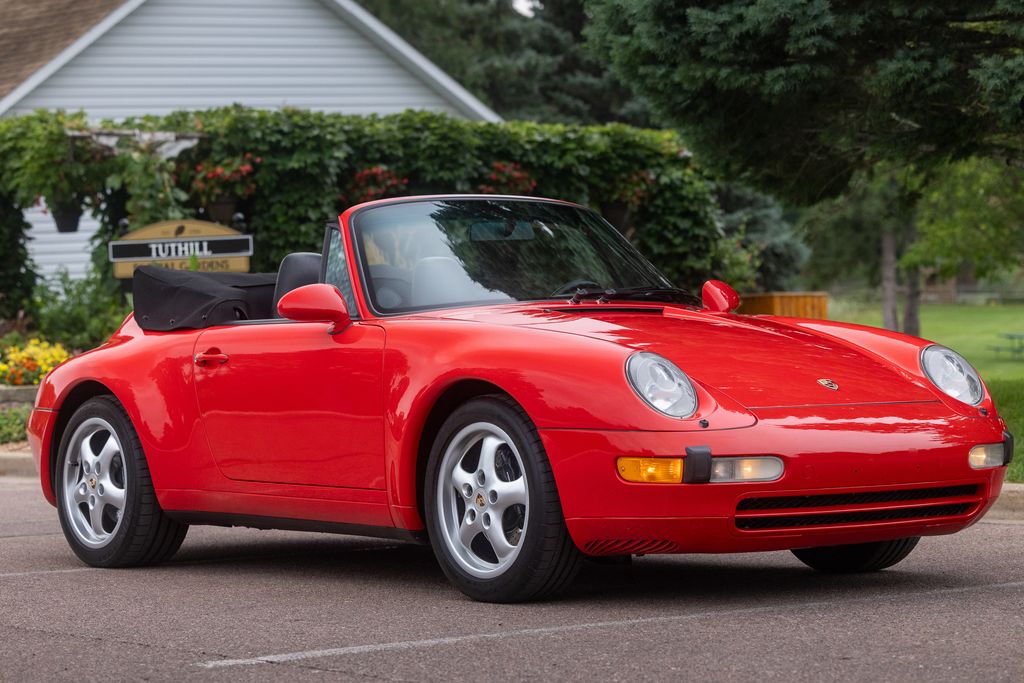 1995 Porsche 911 Carrera$115,000
 1988 Jeep Comanche Pioneer$25,105
 1979 BMW 7 Series 733i$13,499


 1969 Chevrolet Chevelle SS$56,987
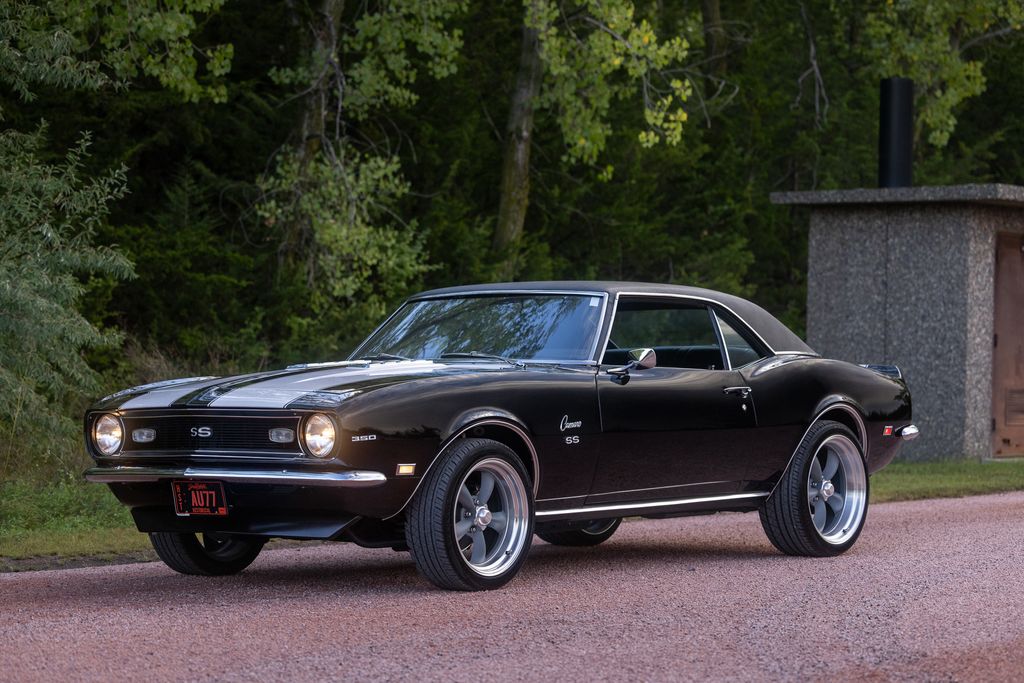
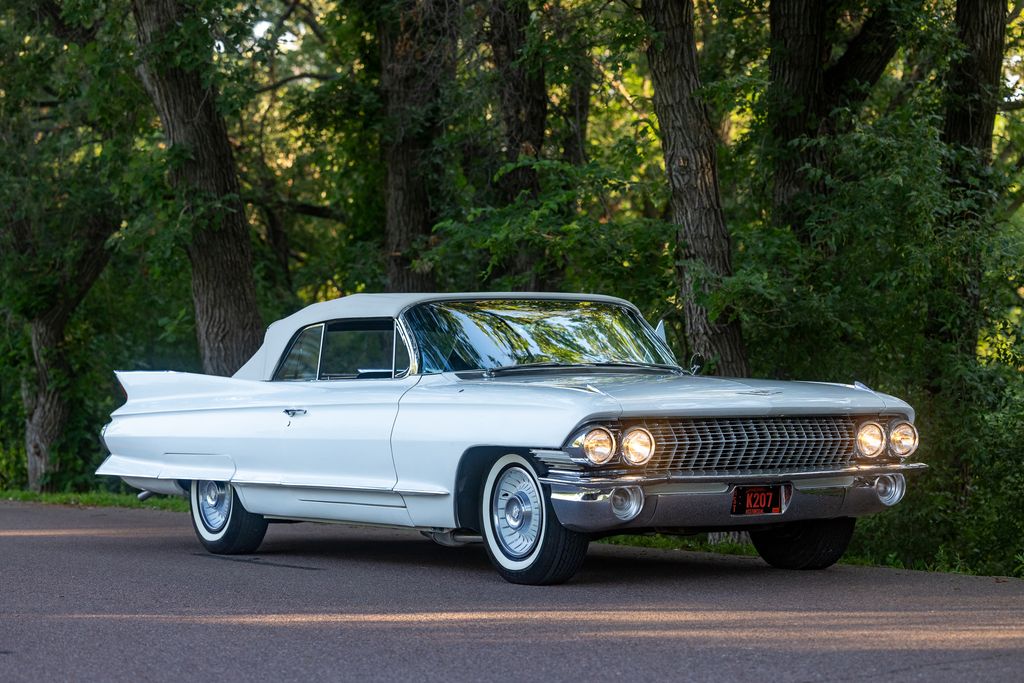


 1950 Packard Eight Sedan$26,987


Next steps
Questions shoppers ask
Where can I find classic cars for sale in South Dakota?
Frankman Motor Company in Sioux Falls keeps classic cars in its inventory and runs its own restoration department. See current classics at our classics page or call sales at (605) 250-5016.
What should I check before buying a classic car?
Check for rust and body filler (a weak magnet helps), inspect the frame, match the title VIN to the car, and test the wiring, cooling and brakes. Ask which numbers match and how easy parts are to find for that model.
What does numbers matching mean on a classic car?
It means the original major components, usually the engine and sometimes the transmission and rear axle, carry stamps or codes that tie them to that car and its build date. Definitions vary by manufacturer and era, so ask exactly which numbers match.
How do I store a classic car over a South Dakota winter?
Fill the tank and add stabilizer, keep the battery on a maintainer, cover the tailpipe and intake against pests, and store it dry under a breathable cover. Take the pest covers off before you start it.
Can you ship a classic car out of state?
Yes. We ship anywhere in the lower 48 states, and enclosed transport is available for classic and high-value vehicles. See vehicle shipping for details.
Can I fly in to see a classic car?
Yes. We pick up fly-in buyers at Sioux Falls Regional Airport (FSD). Call sales at (605) 250-5016 to set it up.